Blog 3: Shape, Scale, Colors
Sketches


Shape
For the shape of my character I originally only had the one idea of having the character be a round plump being, but after reading the article on shape, I figured I could branch out into more shapes for it. The article mentions how shapes have had certain meanings associated with them over the history of art, and using these to represent my character can make it a lot more interesting:
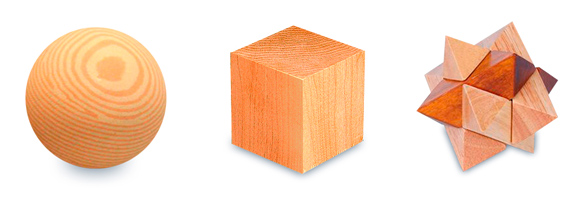
Circles: innocence, youth, energy, femininity
Square: maturity, stability, balance, stubbornness
Triangle: aggression, masculinity, force
(Solarski 2013)
Since my character is a slime creature, something that is very elastic and stretchable, depending on how it is feeling, I thought that its shape could change as well. For example, when just roaming around its forest, it could have the original round and plump shape to represent its innocence, but when angered and aggressive could become a spikier being. If I were to add another shape to my character, it would probably be a square for when in a defensive state or something of the sort.


Scale
The scale for my character is something that could be changed fairly easily but I feel comfortable with the idea of size I have now. In the scale article by Yuriy Sivers, one of the first things he explains is measuring the scale of a character by how many heads fit in them. As a reference, he states "realistic and adult humans range from 7 to 8 head to body height. If your characters get into 8 heads and above, you are going into Greek God/Superhero territory." (Sivers 2016).
 |
| (Image by: Garon Rossignol) |
When it comes to my character, I feel like the 2-3 head range fits best, since I don't want the character being so tiny that it seems insignificant, but also not as big as 8 or 9 heads, causing it to be a massive creature. I like the idea of my character being small but still big enough to believe it is capable of being strong.
Another area of scale that Sivers goes into is how the size of the character compares to regular-sized buildings. Depending on how they compare to the building, can mean the character is more or less believable and puts the focus on certain things. Rather than a tree, I decided to compare my character to a tree since it lives in a forest area rather than a regular city.
 |
| Ideal size for the character. Small but has enough mass to seem capable of fighting. |
 |
| An oversized version of the character. Will make the character seem very overbearing and monstrous. |
Color
Color is probably my favorite part of a character since even a simple color palette can tell you something about the character. The article by Doug Stewart had a really nice explanation of what colors mean in a character's color palette, set up similar to the shape explanation.
Red: Strong emotions like love, lust, anger, as well as warmth.
Orange: Joy and enthusiasm as well as frustration or freshness.
Yellow: Happiness or cowardice.
Green: Nature, envy, sickness, or greed.
Blue: Calm, cold and corporate, or masculine.
Purple: Royal nobility, quality, and luxury.
Black: Mystery, evil, or grief.
White: Sincerity, good, cleanliness, holy, purity, or mourning.
(Stewart 2017)
For the first, more innocent character, I plan to have a mixture of greens to represent the character's nature elements rather than representing sickness or greed. As for the more aggressive one, I plan to use reds to show that anger, and some reddish highlights in the vines and leaf scythe.
 |
| Innocent Character |
 |
| Aggressive Character |
Sources
Color Article -
https://www.gamedeveloper.com/design/color-in-video-games-how-to-choose-a-palette
Scale Article -
https://www.gamedeveloper.com/design/design-tips-in-game-proportions-and-scale
Shape Article -
https://www.gamedeveloper.com/design/the-aesthetics-of-game-art-and-game-design


Comments
Post a Comment